Solid gold, vermeil, gold-filled, plated: the honest difference
Four labels, four very different things. What each one actually means, how long it lasts, and when it is worth paying more.
· 2 min read
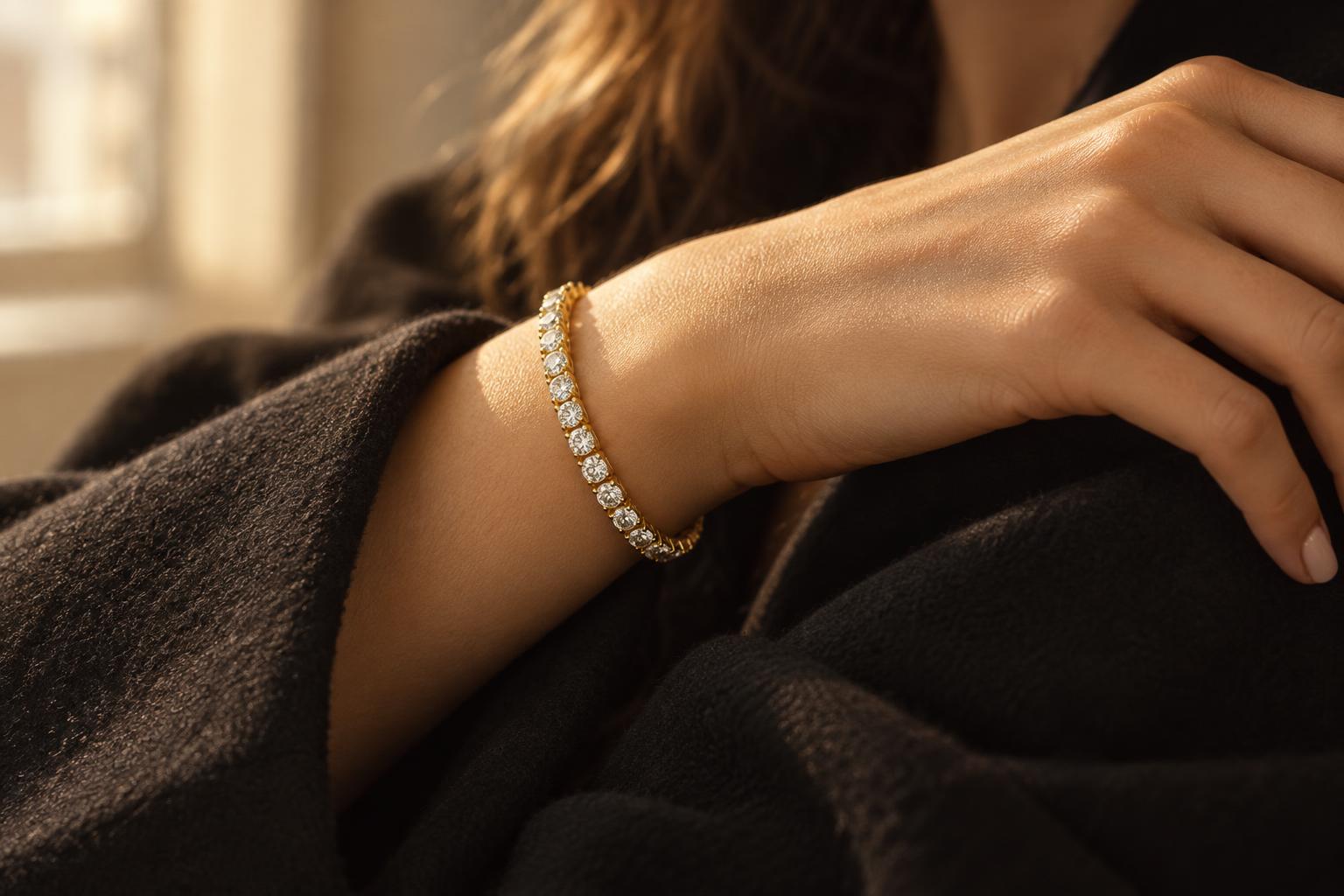
Jewelry labels are designed to sound alike. Solid, vermeil, filled, plated. They are not alike, and the price tag rarely explains why. Here is the plain version.
Solid gold
The whole piece is a gold alloy all the way through. The karat tells you how much of it is pure gold. 24k is pure and very soft. 18k is 75 percent gold. 14k is about 58 percent. 10k is about 42 percent. The rest is other metals that add strength and change the color. Solid gold does not wear off, because there is nothing underneath to reveal. It costs the most and lasts a lifetime.
Gold vermeil
Vermeil is sterling silver with a thick layer of gold on top. In the United States, it has rules: the base must be sterling silver and the gold layer must be at least 10k and at least 2.5 microns thick. That makes it a real step up from ordinary plating. With care, it lasts years. With daily friction, the gold can eventually wear through at high-contact points.
Gold-filled
Despite the name, it is not filled with anything. A thick layer of gold is bonded to a base metal, usually brass, under heat and pressure. By industry standard, the gold makes up at least one twentieth of the total weight. That is far more gold than plating, and it holds up well to daily wear and water.
Gold-plated
A very thin layer of gold is applied to a base metal by electroplating. It looks great on day one and is the most affordable option. It is also the first to fade, especially on rings and bracelets that rub against everything.
Which one should you buy?
Rings and bracelets take the most abuse, so they reward solid gold or gold-filled. Earrings and necklaces see far less friction, so vermeil and quality plating last much longer there. If you have sensitive skin, pay attention to the base metal as much as the gold.
How to read a listing
Look for the karat, the base metal and the word that describes the construction. If a listing just says gold-tone, it is a color, not a material. Ask before you buy.
Now that the labels make sense, compare the materials across the collection and buy for how you will actually wear it.